Have you ever questioned why it’s crucial to remove alien invasive plants (AIPs)? While we admire and cherish plants, it’s evident that invasive species are overpowering and disrupting our ecosystems. AIPs spread rapidly, displacing native trees and plants, and adversely affecting biodiversity by endangering indigenous species.
One of our key projects, the fight against AIPs remains a significant challenge. Our team tirelessly combats invasive plants threatening our precious fauna and flora. Our efforts go beyond eradication; we also work to raise awareness among homeowners about the dangers posed by AIPs.
Take a drive through our village and witness the impactful transformations. Once-choked verges have been cleared, allowing indigenous plants to thrive once more.
This battle is ongoing and demands constant vigilance. We can’t afford to let our guard down, not even for a single month. The team remains vigilant, scanning the area for any signs of invasive plants that could undo their progress. Though challenging, with community support, the team are determined to safeguard our environment for generations to come.
We urge Bazley residents to support our efforts by eliminating the most harmful AIPs categorized as 1a and 1b. If any of these listed invasive plants, which are highly poisonous, are growing in your garden please do your best to remove them.
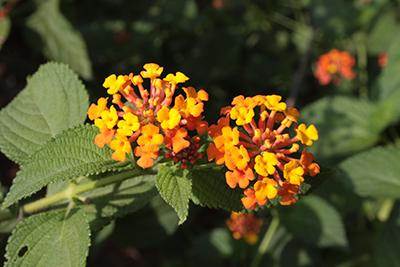
Lantana (category 1b): One of the most notorious weeds globally, it outcompetes indigenous plants, forming impenetrable, thorny thickets that hinder grazing and obstruct watercourses. Lantana is also toxic to both humans and animals.
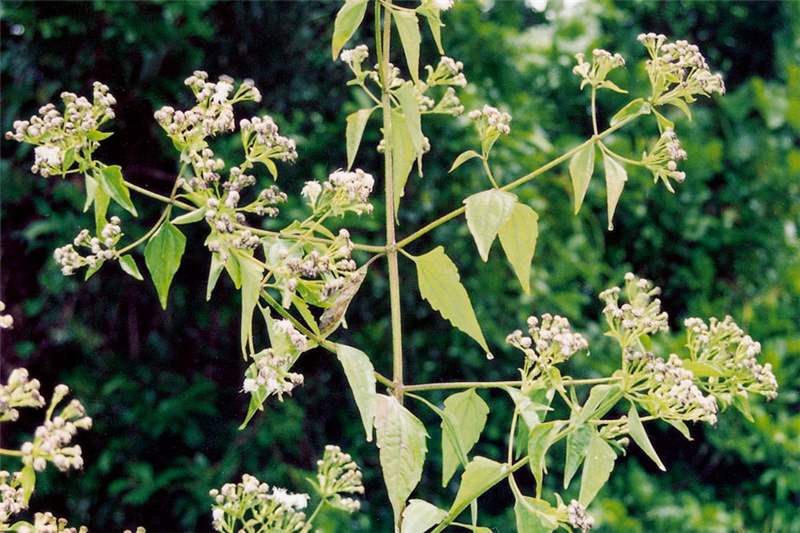
Chromolaena (category 1b): Plants are highly invasive and qualify for government-sponsored invasive species management programs due to their potential to cause significant harm to humans, animals, and the environment. They have no economic value and possess harmful characteristics.
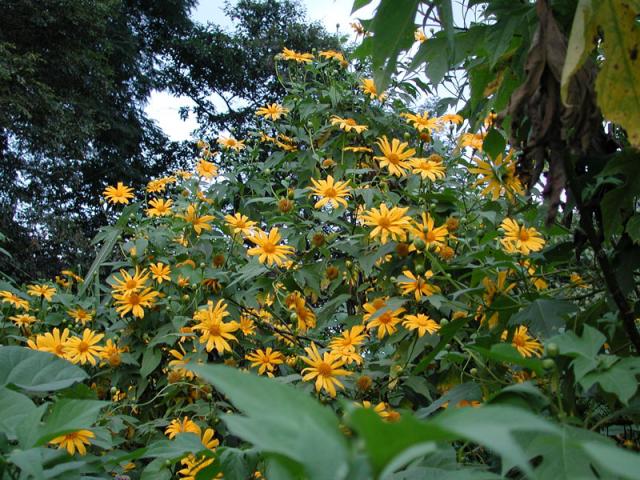
Mexican sunflower (category 1b): This fast-growing and aggressive weed competes against indigenous plants, diminishing biodiversity.
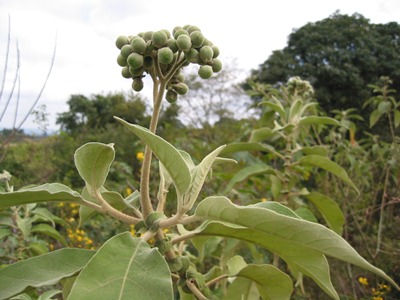
Bugweed (category 1b): Competes with and replaces indigenous species, serving as a host for the KZN fruit fly, an economic pest. It lacks fodder value and its unripe fruits are poisonous. Additionally, the hairy leaves and stems can cause allergic dermatitis and asthma.