Growing birdlife in Bazley – Indigenous plants first
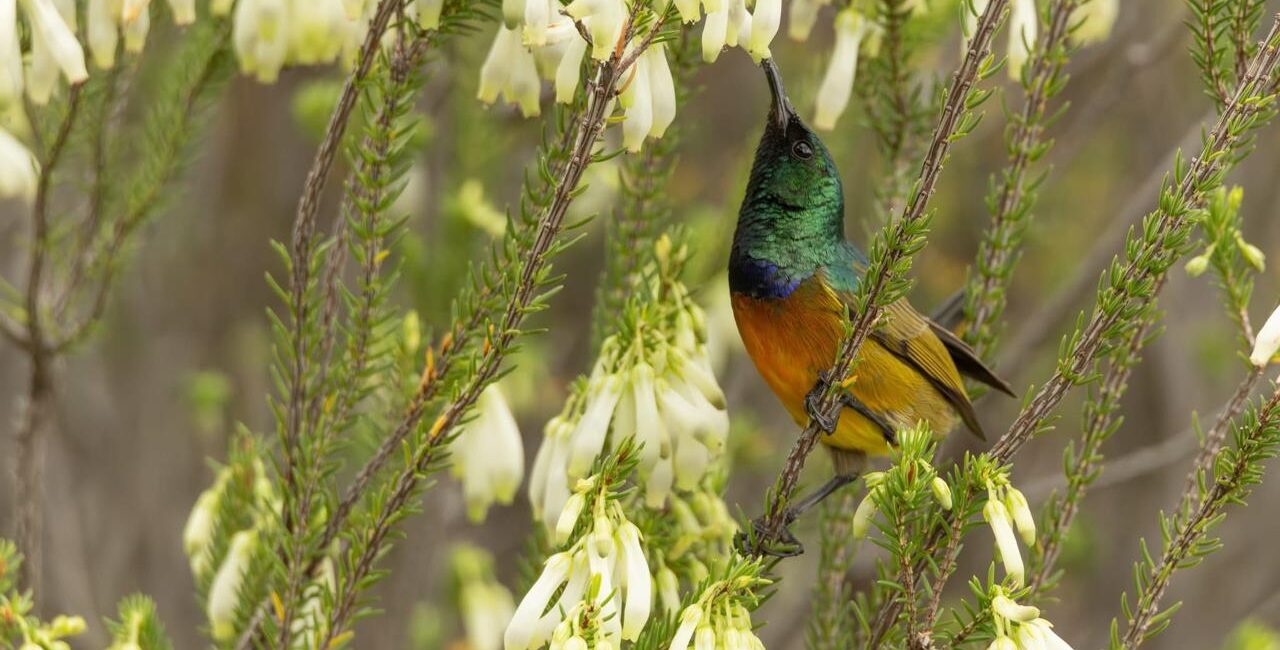
While feeding birds is often the starting point for many homeowners, the real key to encouraging birdlife in Bazley lies in growing indigenous plants. Gardens planted with the right local species provide birds with natural food, shelter and nesting spaces throughout the year, helping to support healthy bird populations without creating dependence on feeders.
There’s nothing quite like watching sunbirds flitting between flowers or hearing bulbuls calling from the trees, and the good news is that encouraging birdlife doesn’t require much effort. It simply starts with choosing the right plants.
According to BirdLife South Africa, indigenous planting is the most natural and sustainable way to support bird populations. Indigenous plants provide nectar, berries and insects – exactly what birds are adapted to eat – while also supporting the wider ecosystem.
Indigenous gardens: the best bird feeders
In Bazley, our gardens often form a transition between homes and surrounding natural areas. By planting indigenous, bird-friendly species, homeowners can create safe stepping stones for birds moving through the village.
Rather than relying on feeders alone, Bazley residents are encouraged to prioritise indigenous planting. A selection of bird-friendly indigenous plants that grow well in home gardens and naturally attract birds is listed in the table below. These plants provide ongoing, low-maintenance food sources and shelter, making them far more effective than feeding alone.
Feeding birds – a helpful extra, if done responsibly
While indigenous gardens should always come first, there’s nothing wrong with offering supplementary food, provided it’s done carefully.
If you choose to feed birds:
Use feeders as a top-up, not a main food source
Place feeders at least one metre off the ground to reduce spillage and limit access by predators
Offer natural foods such as seeds, chopped fruit and mealworms
Avoid bread, milk, honey, artificial sweeteners and colourants
Clean feeders and bird baths regularly to prevent disease
Nectar feeders should contain only a simple sugar-and-water solution (10–20%), which closely mimics the nectar found in indigenous flowers.
A reminder about natural areas
BirdLife South Africa discourages feeding birds outside of urban and suburban gardens, including in natural habitats. Feeding in the wild can interfere with natural foraging behaviour, except during extreme events such as severe drought or after major fires.
Creating gardens that work with nature
By choosing indigenous plants and using feeders responsibly, we can enjoy Bazley’s birdlife while protecting the natural balance that makes our area so special. The indigenous plants listed in the table below are an excellent starting point for anyone wanting to create a bird-friendly garden that truly works with nature.
Most of these plants can be bought from Elizabeth Forsdick’s nursery, with all proceeds from plant sales going directly towards supporting the Conservancy’s work. To arrange a visit, contact Elizabeth on 082 701 3402.
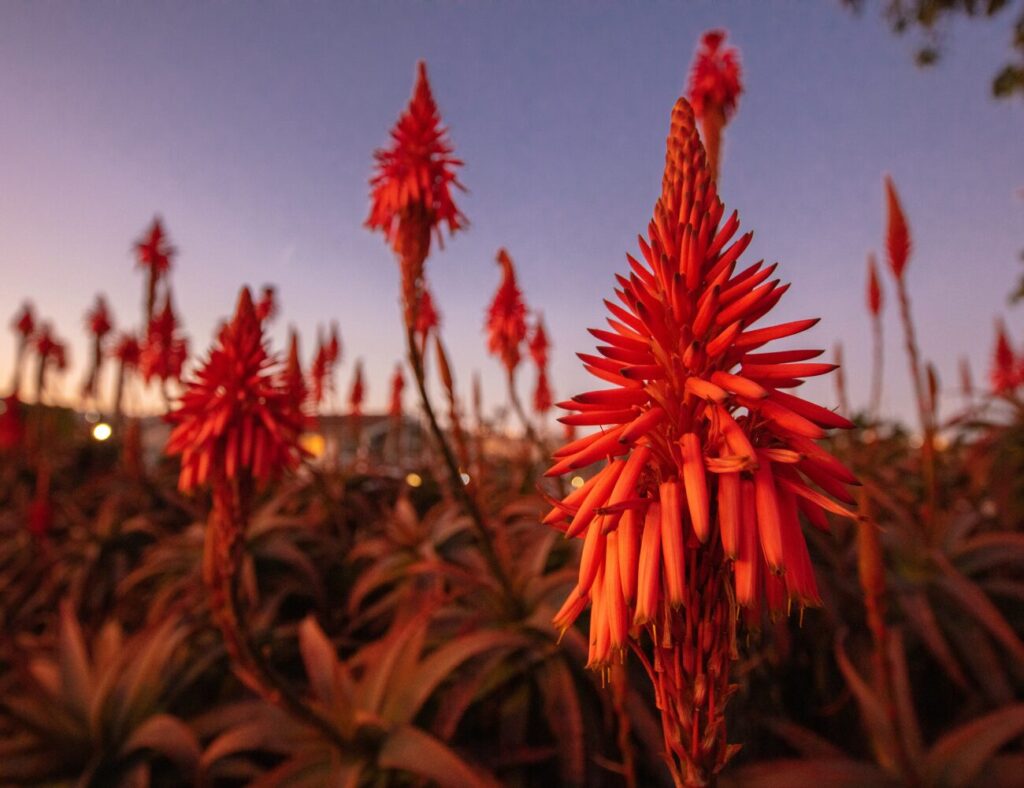
Aloe species
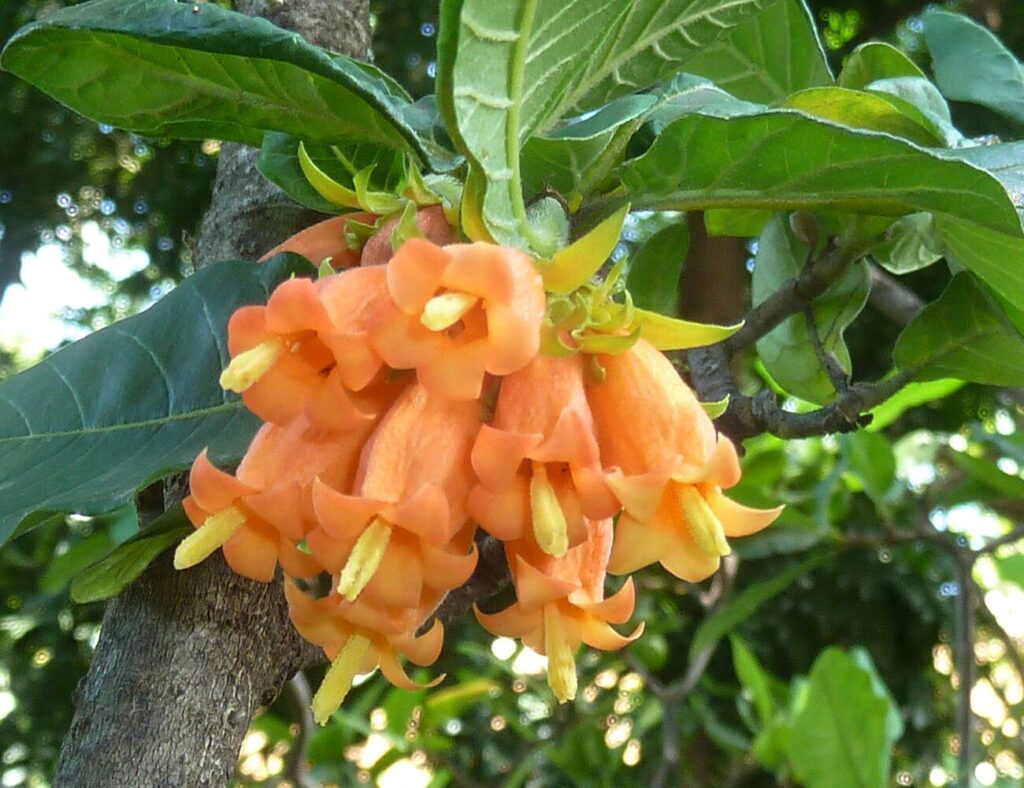
Burchellia bubalina (Wild Pomegranate)
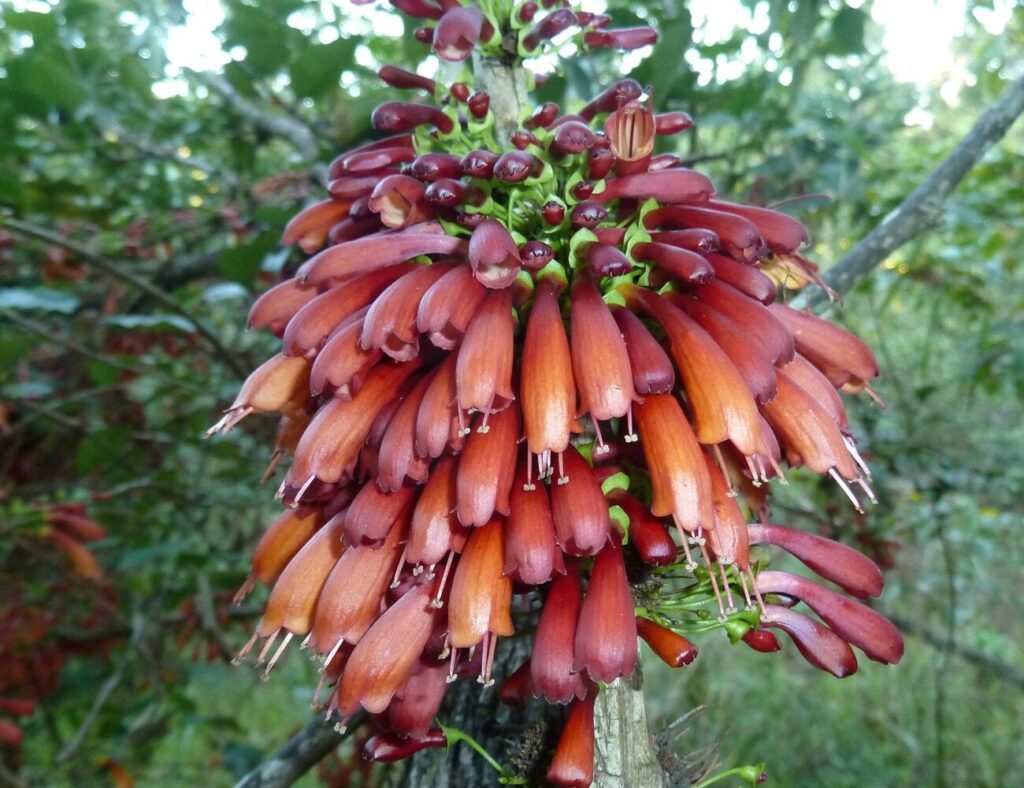
Halleria lucida (Tree fuchsia)
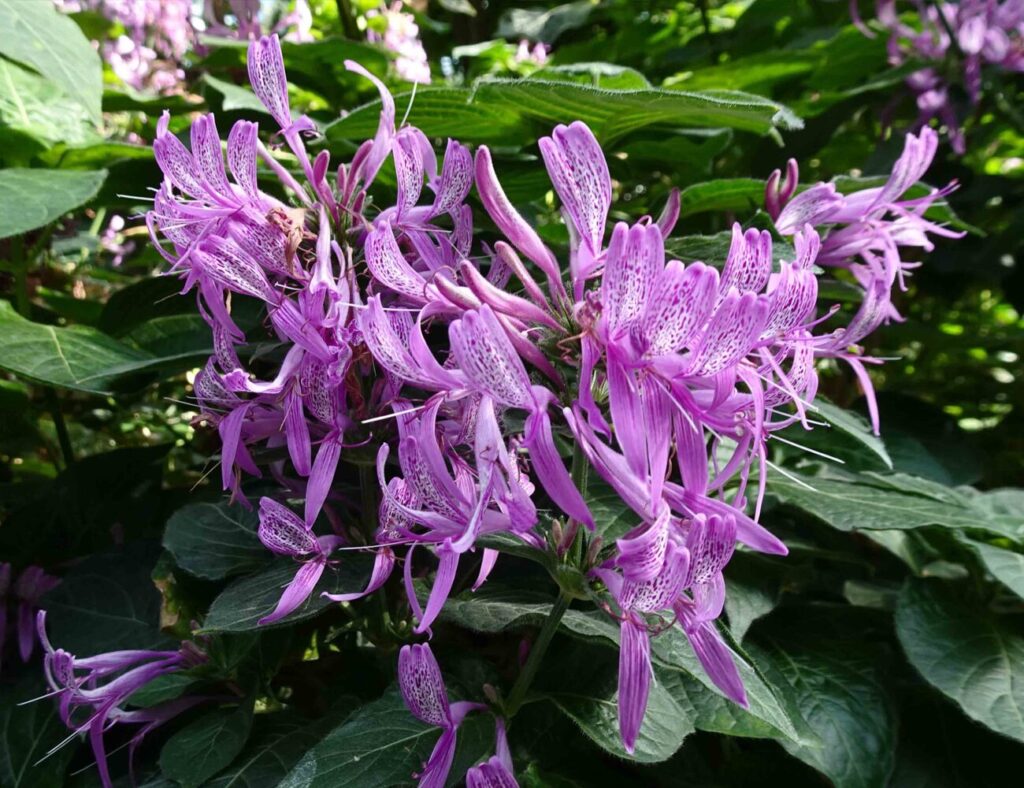
Hypoestas aristata
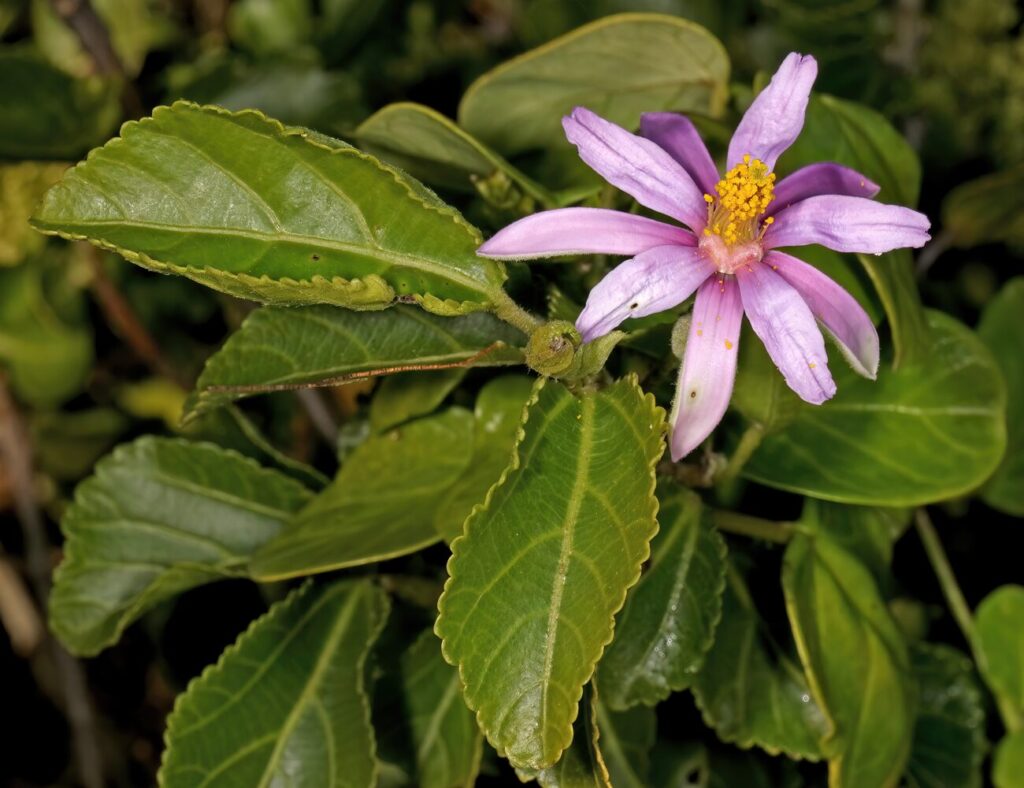
Grewia occidentalis
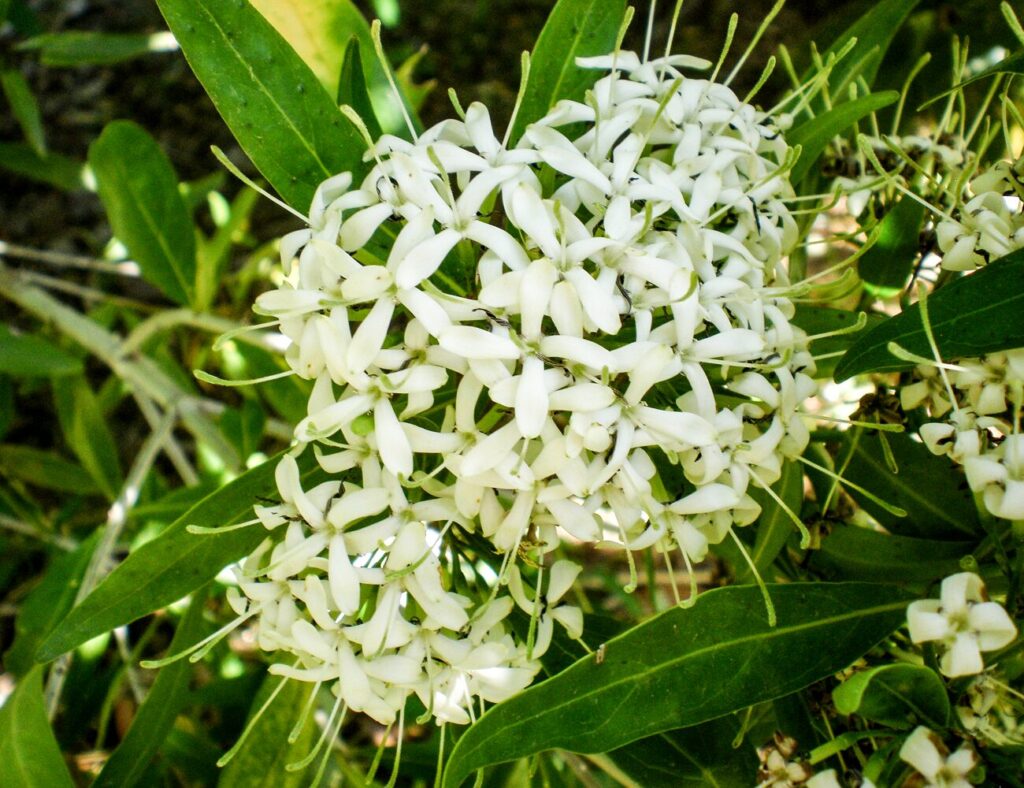
Pavetta lanceolata (Weeping Bride’s Bush)
Plant name
Why it’s good for birds
Aloe species
Nectar-rich winter flowers attract sunbirds and other nectar-feeding birds.
Burchellia bubalina (Wild Pomegranate)
Tubular flowers and berries attract sunbirds, bulbuls and barbets.
Clivia (Bush Lily)
Flowers attract insects, which in turn provide food for insect-eating birds.
Cotyledon orbiculata (Pig’s Ear)
Succulent with nectar-rich flowers favoured by sunbirds.
Grewia occidentalis (Cross-berry)
Produces edible berries loved by louries, bulbuls and other fruit-eating birds.
Halleria lucida (Tree Fuchsia)
Nectar-rich flowers and berries support sunbirds and fruit-eating species.
Leonotis leonurus (Wild Dagga)
Bright orange flowers are highly attractive to sunbirds and pollinating insects.
Metarungia longistrobus (Sunbird Bush)
Long tubular flowers are perfectly suited to sunbirds.
Pavetta lanceolata (Weeping Bride’s Bush)
Flowers and berries attract a range of insect- and fruit-feeding birds.
Plectranthus species
Easy-to-grow plants that attract nectar feeders and insects.
Protea species (e.g. Pincushion)
Large nectar-rich blooms attract sunbirds and sugarbirds.
Tecoma capensis (Cape Honeysuckle)
Prolific flowering shrub that provides abundant nectar for birds.