From Manicured to Meaningful: Rewilding Hill Top
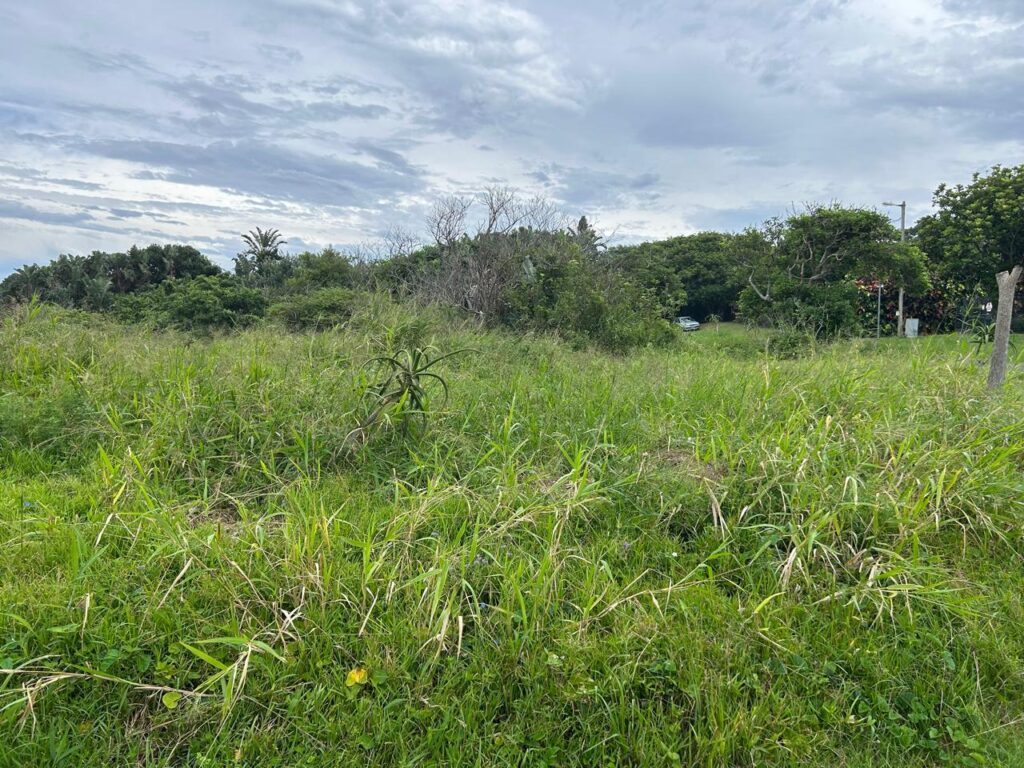
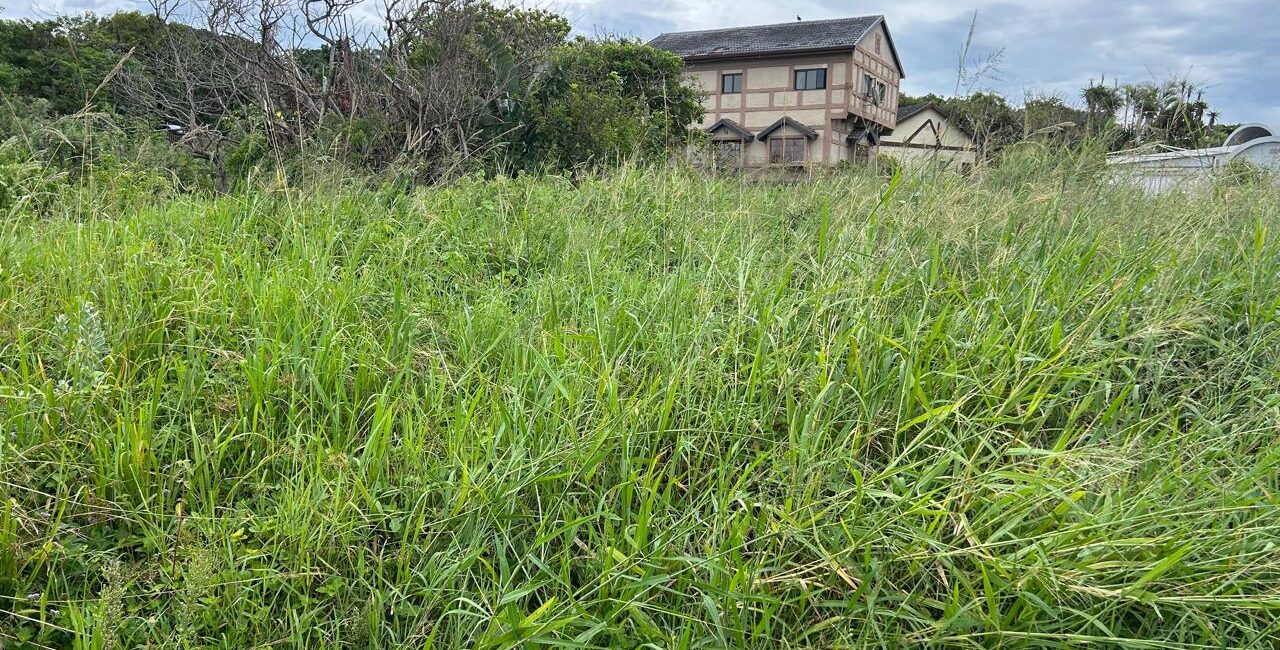
The B.R.A. Conservancy team has been hard at work transforming the Hill Top property through a carefully managed rewilding programme.
The project began with the removal of a number of invasive plant species that were competing with and suppressing indigenous vegetation. Once these were cleared, indigenous plants were introduced and naturally occurring species were given the opportunity to regenerate.
Rather than maintaining the property as a manicured, park-like space, the aim has been to restore a more natural habitat. Grasses, shrubs, groundcover and indigenous plants have been allowed to establish, creating different layers of vegetation that provide food, shelter and breeding areas for wildlife.
The results have been remarkable. The Conservancy team has been rewarded with magnificent sightings of mammals, birds and insects using the property — a wonderful demonstration of how quickly wildlife responds when suitable habitat is restored.
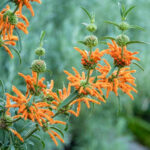
The table below lists some of the indigenous plants introduced, together with the birds, mammals and other wildlife recorded on the property.
Who has moved into our rewilded garden?
The transformation at Hill Top is already attracting an impressive variety of wildlife. Among the birds and mammals spotted on the property are:
Birds spotted in our rewilded garden
Purple-crested Turaco, Red-capped Robin-chat, Yellow-bellied Greenbul, Grey Sunbird, Olive Sunbird, Tambourine Dove, Green Twinspot, Black-headed Oriole, Fork-tailed Drongo, African Paradise Flycatcher, Southern Black Flycatcher and Brown-hooded Kingfisher.
Many of the birds now making Hill Top their home are insect eaters. Interestingly, a large invasive Brazilian Pepper Tree was treated with herbicide but deliberately left standing rather than being cut down and removed. Its bare branches now provide useful perches from which birds can hawk insects — a wonderful example of how thoughtful management can still create value for wildlife.
Mammals spotted in our rewilded garden
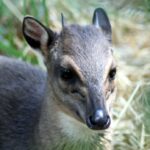
Blue duiker, bushbuck, banded mongoose, slender mongoose, white-tailed mongoose, vervet monkey, genet, Wahlberg’s Epauletted Fruit Bat, other bats, and a resident family group of rock dassies.
The growing number and variety of species being recorded at Hill Top is a wonderful reminder of what can happen when indigenous habitat is given the opportunity to recover.
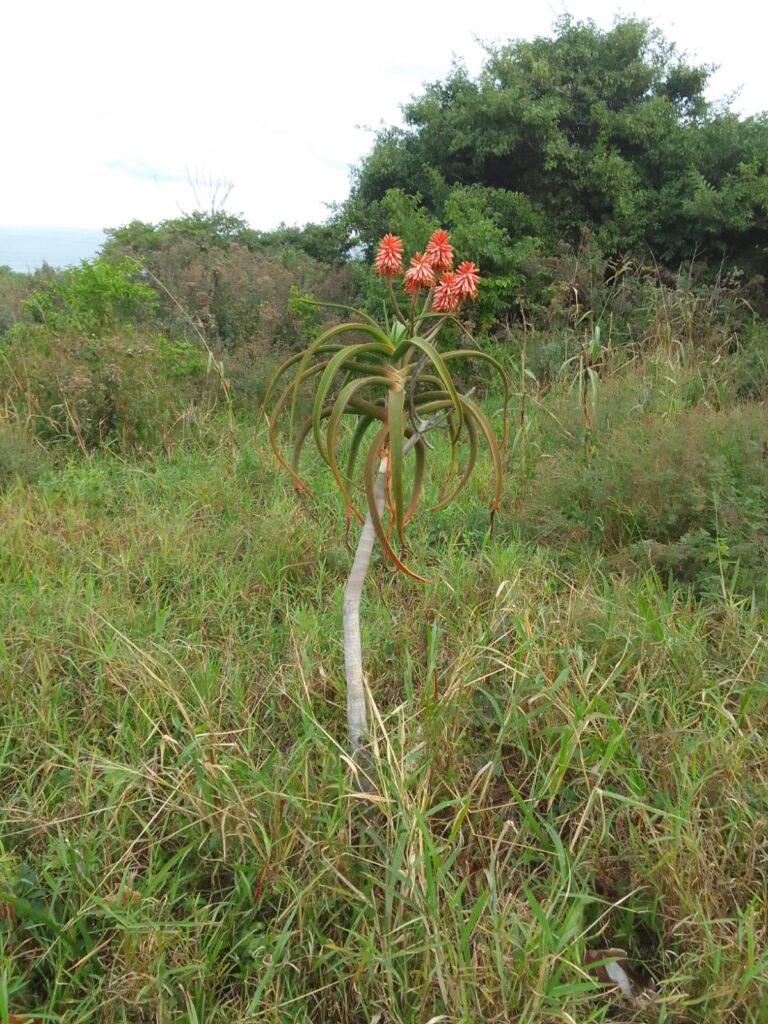
For many of us, a well-kept area means short grass, trimmed edges and cleared undergrowth. So when a space is allowed to grow more naturally, it can easily be seen as neglected.
But rewilding is not about abandoning an area. It is about allowing nature to recover while still managing invasive plants, litter, access and safety.
Long grass, indigenous shrubs, leaf litter and natural groundcover all provide valuable food, shelter and breeding spaces for insects, birds and small animals. What may look a little “untidy” to us can actually be an important habitat for wildlife.
This does not mean every garden, verge or open space should simply be left to grow unchecked. Rewilding works best when it is managed. Paths can be kept clear, invasive alien plants removed and areas maintained where necessary, while still allowing indigenous vegetation to grow more naturally.
Perhaps the biggest change needed is in how we see these spaces. We are used to associating neatly mown, park-like areas with care and maintenance, but a perfectly manicured space is not necessarily better for nature.
In a place like Bazley, where we are fortunate to live alongside such a rich variety of wildlife, allowing some areas to remain more natural can help provide valuable habitat and support biodiversity.
Sometimes caring for our environment means cutting, clearing and maintaining.
And sometimes it means knowing when to leave nature alone.