Conservancy Focus: Winning the Battle Against Alien Invasive Plants
One of the Bazley Conservancy’s most important ongoing projects is the identification and removal of alien invasive plants (IAPs).
While many of these plants may appear attractive or harmless, they pose a significant threat to our natural environment. Alien invasive species are non-indigenous plants that spread rapidly, outcompete local vegetation and reduce biodiversity. Many are also toxic to humans, pets, livestock and wildlife, while providing little or no ecological value to the ecosystems they invade.
Our current efforts are focused on four of the most problematic Category 1 invasive species found in and around Bazley.

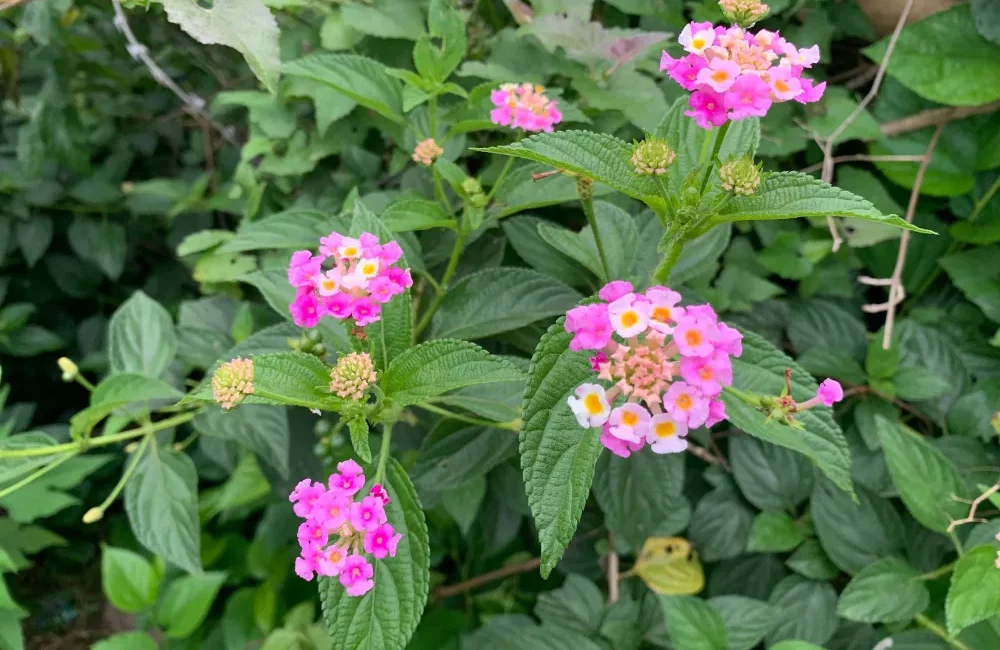
Lantana (Lantana camara)
Lantana is a dense, thorny shrub with clusters of colourful flowers that range from pink and orange to yellow and red. While attractive in appearance, it is one of South Africa’s most destructive invasive plants. It spreads rapidly, outcompetes indigenous vegetation and forms impenetrable thickets that reduce biodiversity. The leaves and berries are also toxic to livestock and wildlife.
Removal Method: Please do not spray Lantana with herbicides such as Roundup or Springbok. The plant should be carefully cut back to the base and Kaput should be painted directly onto the freshly cut stem.
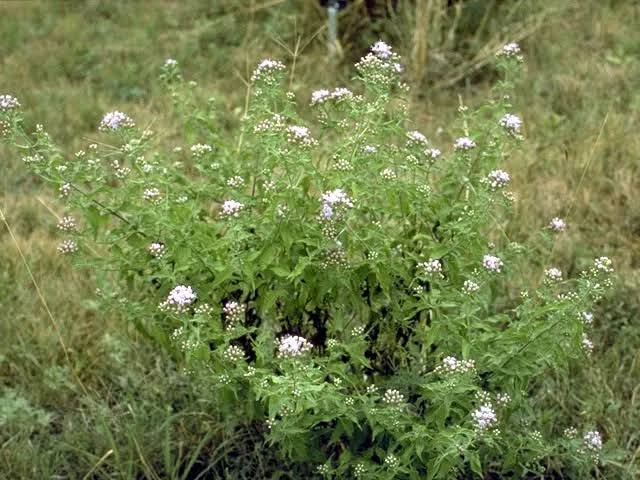
Chromolaena (Chromolaena odorata)
Often referred to as “Triffid Weed,” Chromolaena is a fast-growing shrub that can quickly dominate disturbed areas, forest edges and riverbanks. It produces masses of fluffy white flowers and spreads aggressively through wind-dispersed seeds. Once established, it smothers indigenous plants and prevents natural regeneration.
Removal Method: Chromolaena should be pulled out, dug out, or cut back to the base of the stem. Any cut stems should be treated immediately by painting them with Kaput.
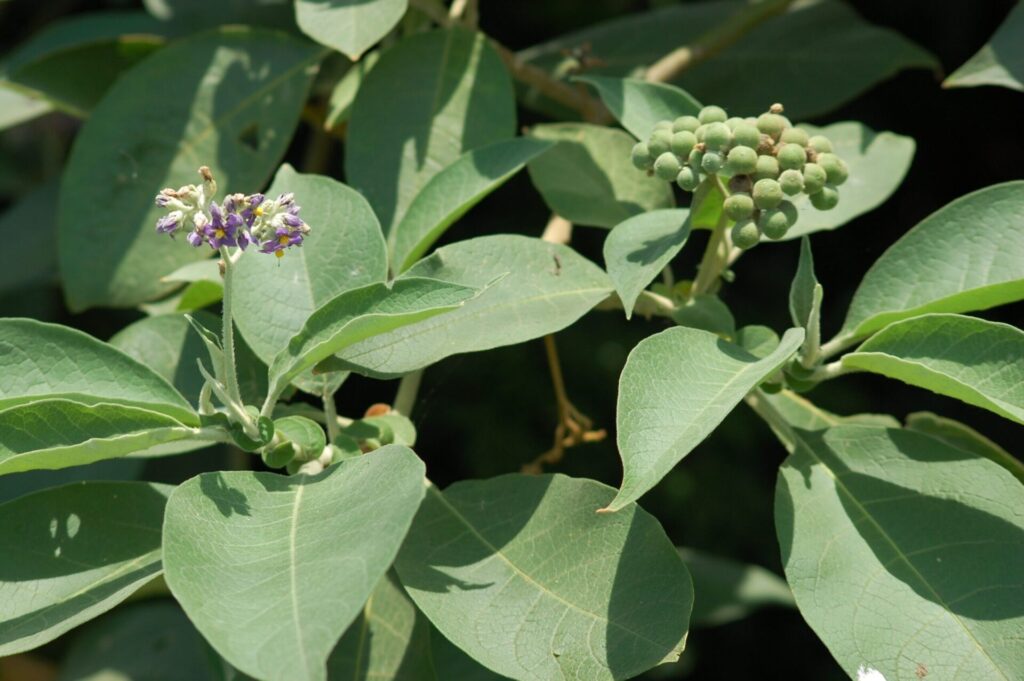
Bugweed (Solanum mauritianum)
Bugweed is a small tree or large shrub recognised by its soft grey-green leaves and clusters of purple flowers followed by yellow berries. Originally introduced as an ornamental plant, it has become highly invasive throughout KwaZulu-Natal. It spreads easily through bird-dispersed seeds and can invade forests, grasslands and coastal areas. The plant is toxic and can cause respiratory irritation when handled.
Removal Method: Cut the plant back to the base and paint the freshly cut stump with Kaput.
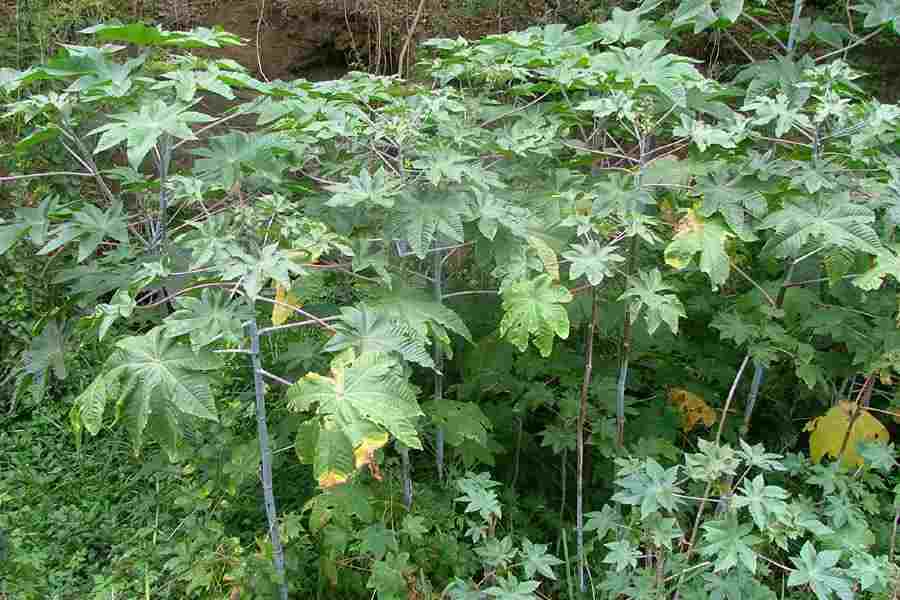
Castor Oil Bush (Ricinus communis)
The Castor Oil Bush is a fast-growing shrub or small tree with large, distinctive leaves and spiky seed capsules. While it is sometimes cultivated for castor oil production, it readily invades disturbed areas and river systems. The seeds contain ricin, one of the most toxic naturally occurring substances, making the plant dangerous to people, pets and wildlife.
Removal Method: Plants should be pulled out where possible or cut back to the base and treated by painting the stump with Kaput.
Why removal matters
Alien invasive plants compete directly with indigenous vegetation for sunlight, water and nutrients. Over time they alter natural habitats, reduce biodiversity and impact the wildlife that depends on indigenous plants for food and shelter.
Removing these species creates space for indigenous vegetation to regenerate naturally, strengthens local ecosystems and helps preserve the unique biodiversity in Bazley.
In addition, the removal of Category 1 invasive alien plants is a legal requirement for all property owners. Properties may not be transferred to new owners until invasive alien plants have been removed in accordance with applicable legislation.
Important: Avoid harmful herbicide spraying
If you have any of these invasive plants in your garden, please do not spray them with herbicides such as Roundup or Springbok. These chemicals are highly toxic to humans, pets, wildlife and beneficial insects. Residues can remain in the soil and may eventually enter streams and waterways, causing long-term environmental damage.
Targeted treatment using the cut-stump method and Kaput is a far more responsible and effective approach for controlling these invasive species.
How you can help
Homeowners can play an important role by identifying and removing invasive plants on their own properties and replacing them with indigenous alternatives wherever possible.
The BRA Conservancy Team has skilled staff available to assist homeowners with the clearing of invasive alien plants and can provide advice on the most effective removal methods.
Need help identifying an invasive plant? The Conservancy team is always available to assist homeowners with identification and guidance.
Beautiful indigenous replacement plants are available from the Bazley Shangrila Nursery, and all proceeds from plant sales go directly towards supporting the BRA’s conservation initiatives.