Invasive Plants and Their Impact on Bazley Beach Properties: What You Need to Know
Bazley Beach’s natural beauty is one of the key factors that make it such a desirable location. However, as many property owners may not be aware, the presence of invasive plant species on your land could impact both your property value and your ability to sell. According to the National Environmental Management Biodiversity Act (NEMBA), properties with invasive species present can be a liability.
As part of the Bazley Conservancy’s ongoing efforts to protect our ecosystem, we’re here to help you identify and manage these species. Whether you’re considering selling your property or simply want to ensure your land is compliant with NEMBA regulations, our conservancy can provide you with a quote for removing invasive plants from your property.
The law requires property owners to control, remove, or apply for permits to manage certain invasive species. Failure to comply can result in prosecution under the Act. Invasive species are divided into categories, each with specific control measures. From eradicating Category 1a species to managing Category 2 plants, it’s essential for property owners to stay informed.
If you’re unsure about whether your property has invasive species, we encourage you to consult with accredited professionals or contact the Bazley Conservancy. Together, we can ensure that Bazley remains a beautiful, safe haven for future generations.
For more information and to request a quote from the conservancy, contact either Elizabeth Forsdick or Pete Harvey.
Click here to download useful information on Invasive Alien Plants of Durban.
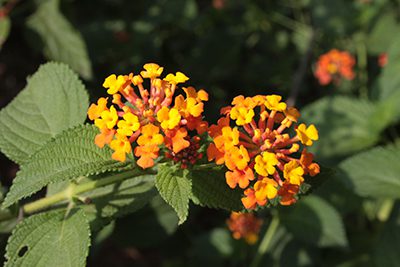
Lantana - Competes with and replaces indigenous species. Allelopathic suppression of indigenous species interrupts regeneration processes and reduces biodiversity of natural ecosystems. Dense stands in plantations obstruct access and utilization. Poisonous to humans and animals and responsible for livestock mortalities amounting to millions of Rands every year in South Africa. Reduces the grazing potential of the land.
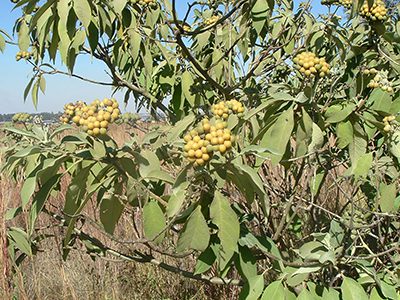
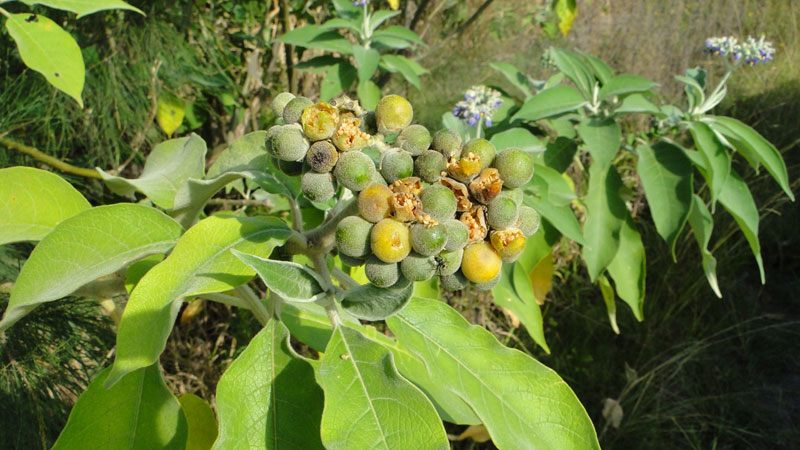
Bugweed - Competes with and replaces indigenous riverine and forest margin species. Also competes with young trees in plantations, particularly pines and black wattle, inhibiting growth and causing stem deformation. It is a host of the KwaZulu-Natal fruit fly which is an economic pest. It has no fodder value and the plants are generally avoided by grazing animals. The unripe fruits are poisonous and the hairy leaves and stems can cause allergic dermatitis and asthma.
Bugweed replaces indigenous riverine and forest margin species. This invader also competes with young trees in plantations, particularly pines and black wattle, inhibiting growth and causing stem deformation. It is a host of the KwaZulu-Natal fruit fly which is an economic pest. It has no fodder value and the plants are generally avoided by grazing animals. The unripe fruits are poisonous and the hairy leaves and stems can cause allergic dermatitis and asthma.
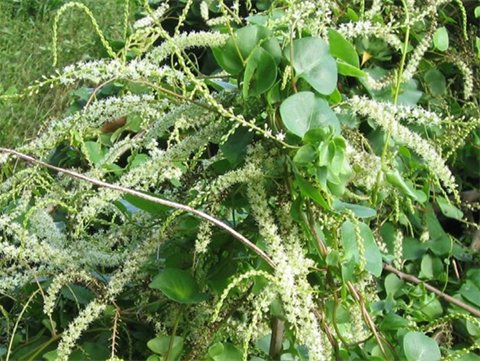
Madeira vine - Is highly invasive weed and is capable of smothering and destroying indigenous vegetation. The climbing stems can envelop the canopy layer, while is trailing stems also smother the ground layer of invaded habitats. This reduces light penetration, eventually killing the plants underneath and preventing the germination and regeneration of native plants.