
What to Do If Your Dog Has Been Poisoned
Poisoning is a heartbreaking reality that pet owners in our area must be aware of. Sadly, there have been recent cases of deliberate poisoning in Bazley. Knowing how to respond quickly in an emergency could mean the difference between life and death for your pet.
While we hope you never have to use this information, being prepared can save valuable time in a crisis.
How You Can Prepare Right Now
Preparation is key. There are steps you can take today to improve your pet’s chances of survival if they are ever poisoned:
- Emergency Poisoning Kits: Some SPCAs in South Africa provide emergency poisoning kits. These kits can buy you time but are not a cure. Ask your local SPCA if they have one available.
- Vet’s Emergency Contact Details: Ask your vet for their emergency number and keep it easily accessible. Ensure that domestic staff, pet sitters, and neighbours also have this number (see numbers alongside).
- Know Your Nearest Vet: Identify the quickest route to your nearest veterinary clinic.
- Secure Your Property: Criminals often use poisoning as a tactic before a break-in. Ensure your yard is secure and be vigilant about suspicious activity.
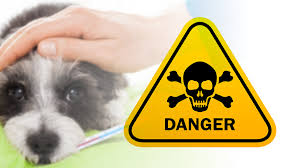
Michelle Howard, a resident of Bazley, is available to assist in cases of suspected dog poisoning. With her extensive experience in animal welfare, she is an invaluable resource for urgent care and advice. If you suspect your dog has been poisoned, please reach out to Michelle immediately at 073 526 0903.
Closest vets:
Hibberdene Veterinary Consulting Room
039 699 1023
2 Riviera St, Hibberdene
Scottburgh Veterinary Clinic
039 976 1418
Emergency – 083 226 6426
9 Stevens Road, Park Rynie
Emergency Vet – 24 hour
Westville Veterinary Hospital
031 267 8000
31 Jan Hofmeyr Road, Westville
Signs of Poisoning in Dogs
Poisoning symptoms can vary depending on the type of toxin ingested. If your dog exhibits any of the following signs, seek veterinary help immediately:
- Diarrhoea
- Vomiting
- Excessive drooling
- Tremors or shaking
- Convulsions
- Loss of balance or difficulty walking
- Sudden collapse or weakness
As a pet owner, you know your dog’s usual behaviour. If something seems off, do not wait – act fast.
What to Do If Your Pet Has Been Poisoned
- Call your vet’s emergency number and let them know you’re on your way. Provide details about your pet’s symptoms.
- Identify the poison – if you know what your dog ingested, collect a sample or take a photo for the vet.
- Use an emergency poisoning kit (if available) but never delay getting your dog to the vet to administer treatment.
- Take Precautions When Handling a Poisoned Dog: All bodily fluids from a poisoned dog—including drool, vomit, and faeces—are toxic and can be absorbed into your body. These must be cleaned up immediately to prevent secondary exposure. When handling a poisoned dog, always wear plastic gloves to protect yourself.
- Be cautious when handling your pet – they may be in distress and could accidentally bite. If necessary, use a blanket or towel as a stretcher.
- Alert your security company if you suspect malicious poisoning. Poisoning is often a precursor to break-ins, so it’s crucial to remain vigilant.
Final Note
This guide is intended to help you act swiftly in an emergency, but professional veterinary care remains essential. If you haven’t already, take a moment to store your vet’s contact details and discuss an emergency plan with your family and household staff.
If you suspect foul play, report the incident to the South African Police Service (SAPS) in Scottburgh at 039 978 9954. SAPS takes incidents like this very seriously, and reporting helps them track patterns of criminal activity.
Your preparedness could save your pet’s life.