

Bazley is a stunning village known for its breathtaking beaches, lush vegetation, and diverse wildlife. One aspect of the local wildlife that is often misunderstood and can cause concern is the presence of snakes. While relatively few local species are venomous, and most snake encounters are harmless, it’s important to be informed about these reptiles and take precautionary measures. In this article, we will discuss the common snakes in Bazley, how to avoid snakebites, dos and don’ts if bitten, snakebite symptoms, and first aid measures for snakebites.
Snakes of Bazley
There are at least 32 snake species recorded in the greater Bazley area. Of these, the following are seven of the commonest species locally, and the ones you are more likely to encounter:
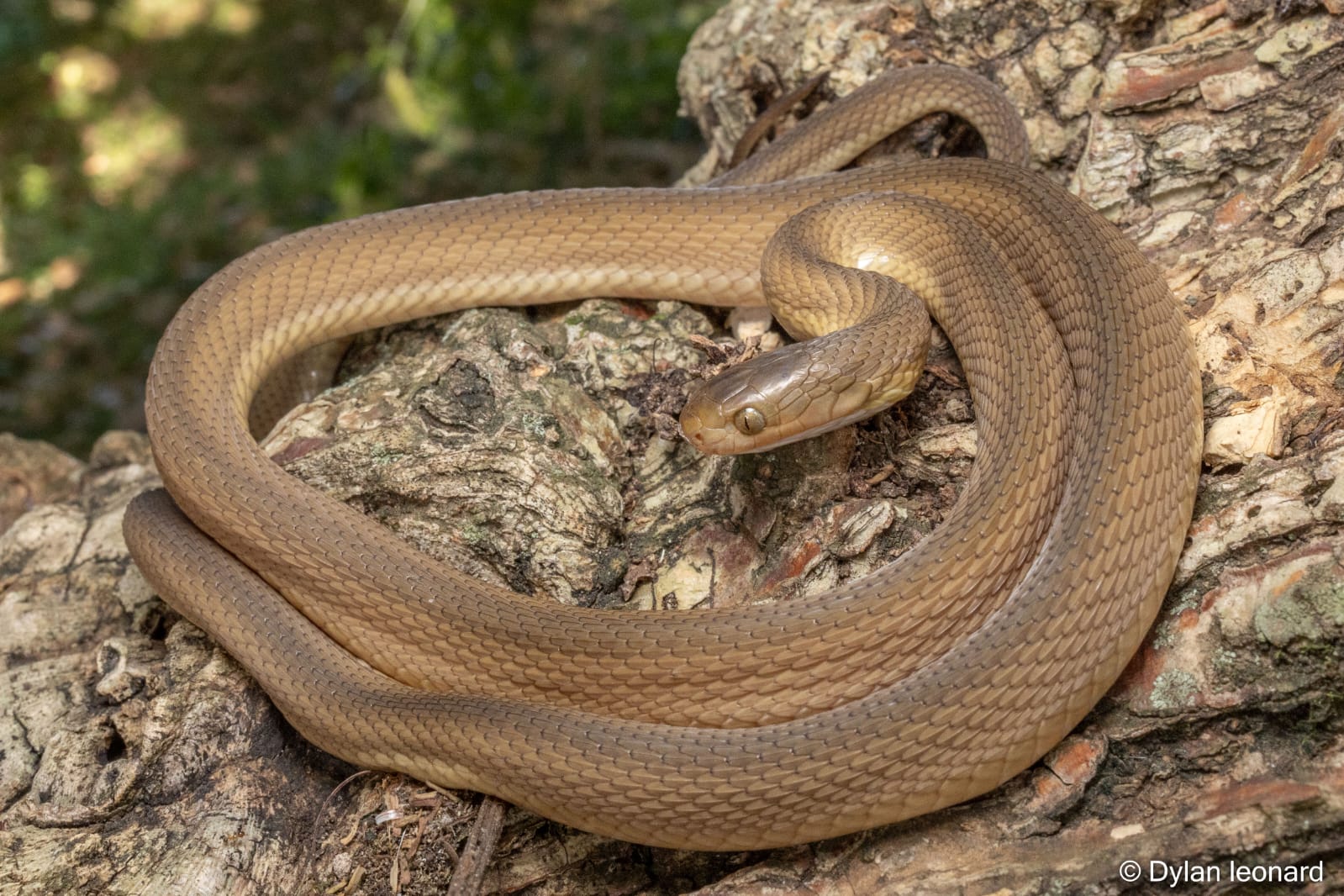
Southern Brown Egg-eater
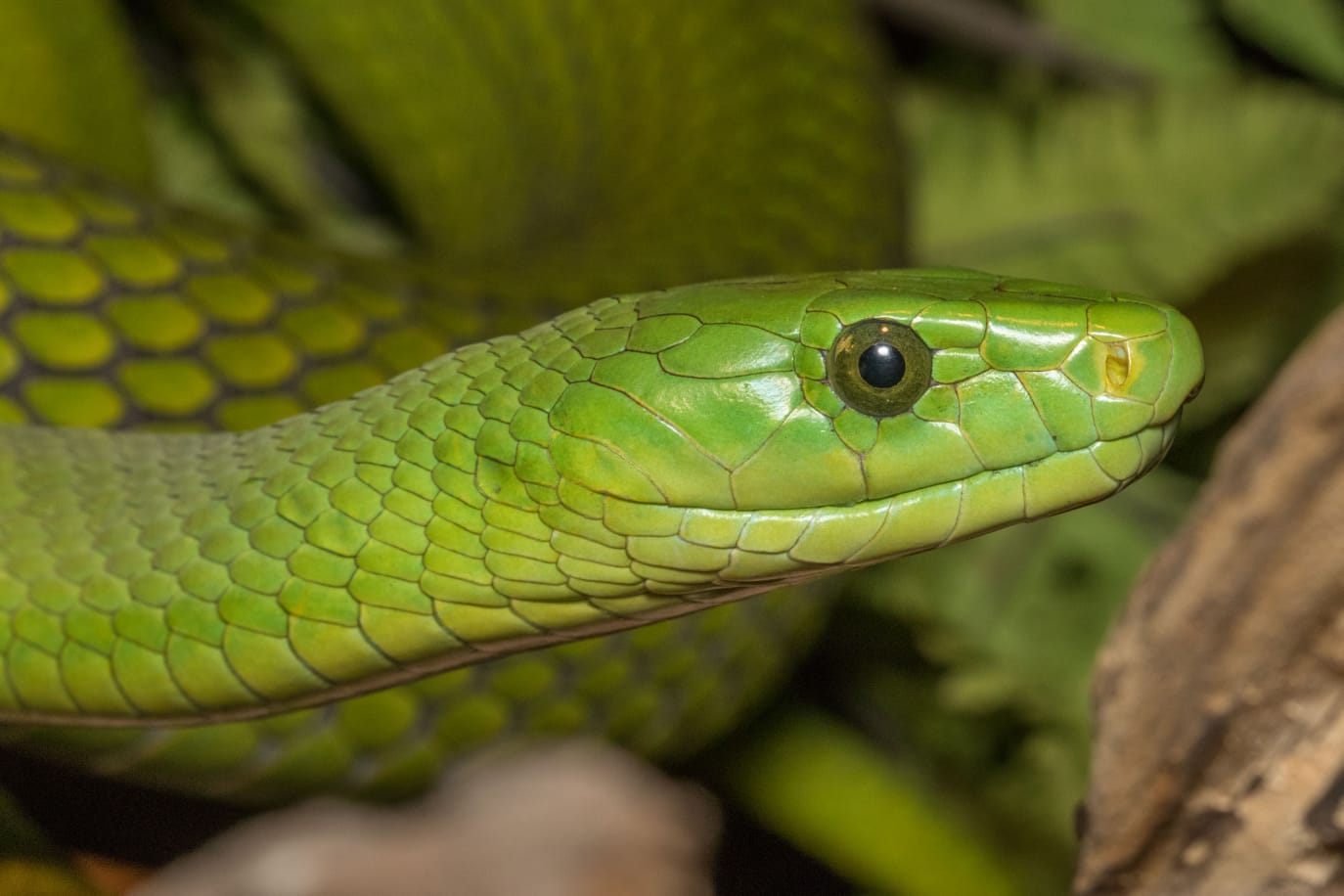
Green Mamba

Spotted Bush Snake

Western Natal Green Snake

South-Eastern Green Snake

Red-Tipped / Herald Snake

Brown House Snake
All photos courtesy of Dylan Leonard
Importantly, six of the seven snakes pictured are harmless (the Red-lipped Snake is very mildly venomous, with no effect on humans), and only the Green Mamba is highly venomous. Furthermore, there are three green snakes more common than the mamba, and yet many people automatically assume “Green Mamba!” when they encounter a green snake. More information is available on www.africansnakebiteinstitute.com
How To Avoid Getting Bitten
- Leave snakes alone and treat them with respect at all times. Keep your distance: If you encounter a snake, maintain a safe distance and do not attempt to touch or handle it. Snakes will not bite unless they feel threatened.
- Do not handle snakes, even small ones. Juvenile venomous snakes are just as dangerous as the adults.
- Never tamper with a seemingly dead snake, as some may play dead when scared or threatened, only to bite if they are physically handled.
- Wear boots and thick trousers or jeans if you spend a great deal of time outdoors.
- Observe your path ahead when walking outdoors. Step onto logs and rocks and not over them. Snakes often sun themselves while partially concealed under a log or rock.
- Don’t walk barefoot or without a torch at night. Many snakes are active after sunset.
- Do not try to kill or catch a snake if you come across one. Throwing rocks or shooting at a snake is looking for trouble. Also do not attempt to catch a snake with braai tongs or pin it and grab it behind the head.
- If you want a snake moved (e.g. if it is in your house), there are people available in Bazley who will do so safely, both for you and the snake.
- In case of a snakebite emergency, do not attempt to catch or kill the snake – rather take a photograph from a safe distance to assist with identification.
Most snake encounters require no action from you. If you leave them alone, chances are they will move off of their own accord. In the event that that you have a snake in your house, or one that represents a potential risk to people or pets, then there are a couple of people in Bazley who have the equipment and experience to remove the snake safely. First off, contact Andrew Wilkinson (Cell: 082 935 3454). If Andrew is not available then Paul Harvey (Cell 082 462 3859) is able to assist.
Dos and Don’ts if Bitten
Dos:
- Immobilize the bitten limb: Keep the bitten area as still as possible to slow the spread of venom.
- Remove constricting clothing or jewellery: Swelling may occur, so loosen any tight items near the bite site.
- Most importantly, seek medical help immediately: Call emergency services and get to the nearest medical facility for professional treatment. The same applies for a pet that has been bitten.
- Try to remember the snake’s appearance: Any information about the snake’s color, size, and markings can help healthcare professionals identify the snake species and provide the appropriate antivenom.
Don’ts:
- Do not cut or suck the wound: These methods do not work and can lead to more harm than good.
- Avoid using a tourniquet: Tying a tourniquet can cut off blood flow to the entire limb and cause severe complications.
- Don’t use ice or cold packs: These can worsen the effects of venom by slowing the lymphatic system.
- Refrain from consuming alcohol or other substances: These can exacerbate the effects of snake venom.
In the event of a snakebite the following contacts are useful:
Netcare Ambulance 082911
ER24 Ambulance 084124
Poison Information Helpline 0861 555 777
African Snakebite Institute (Johan Marais) 082 494 2039
Scottburgh Veterinary Clinic 039 976 1418
Further information: www.africansnakebiteinstitute.com
Snakebite Symptoms and First Aid Measures
The symptoms of a snakebite can vary depending on the snake species and the amount of venom injected. However, common symptoms include:
- Local pain and swelling
- Redness and bruising
- Nausea and vomiting
- Difficulty breathing
- Dizziness and confusion
If bitten, the following are some first aid measures you can follow until professional medical help is available:
- Keep the victim calm: Reducing stress and anxiety can help slow the spread of venom.
- Immobilize the bitten limb: Keep it at or slightly below heart level to minimize swelling.
- Clean the wound gently: Use mild soap and water to clean the bite area without scrubbing.
- Apply a clean bandage: Cover the wound with a sterile dressing, if available, to minimize the risk of infection.
Snakebite and pets
Many dogs are bitten by snakes, usually while trying to kill a snake. Cats are very quickwith their prey items, and are seldom bitten.
There is very little an owner can do themselves to save an animal’s life that has been bitten by a venomous snake, other than getting it to a vet immediately. Home remedies and first aid treatment have no effect on the final outcome of such a bite.
In cases of severe envenomation, antivenom is the only solution.
Conclusion and acknowledgements
With 32 species of snake in the broader area, the majority of which are completely harmless, Bazley enjoys a rich variety of snakes, which are fascinating and play an important role within the conservancy. However, knowing how to prevent snakebites, what to do in case of a bite, and understanding snakebite symptoms and first aid measures are important. By being informed and taking these precautions, you can appreciate the natural beauty and wildlife of Bazley without undue worry about snake encounters.
We wish to acknowledge the following in the preparation of this article:
Dylan Leonard – photographs
African Snakebite Institute (Johan Marais) – www.africansnakebiteinstitute.com
James Harvey – www.harveyecological.co.za