
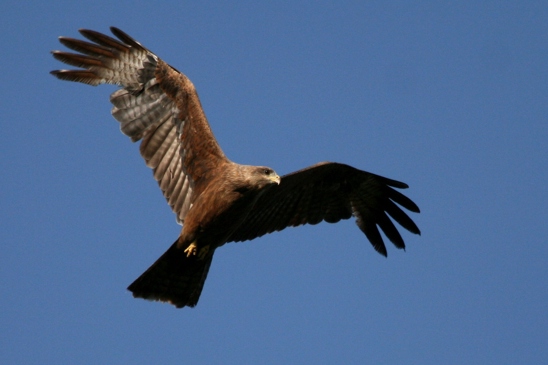
The Yellow-Billed Kite Returns to Bazley
Bazley residents may have already spotted their first yellow-billed kite of the season, a sure sign that warmer weather is on the way.
The yellow-billed kite is one of the most common birds of prey in South Africa and is an intra-African breeding migrant, meaning it migrates within the continent. These kites spend August to March in South Africa before heading to Sudan and neighbouring regions for the winter months (April to July).
Typically, they’re first sighted inland around the Tala Valley in early August, gradually making their way to the coast, where they are usually seen by mid to late August.
These medium-sized raptors stand out with their bright yellow beaks and V-shaped tails, making them easy to identify. They’re fascinating to watch in flight as they skillfully use their tails like active rudders. Yellow-billed kites are opportunistic scavengers, often seen hovering above roads to swoop down on roadkill. They hunt a variety of prey, including birds, small mammals, reptiles, insects (especially termites), and even steal from picnic tables and braais!
Fearless and adaptable, these kites have been observed stealing food from other birds of prey, including woolly-necked storks and ospreys. They inhabit diverse environments, ranging from forests to grasslands, but show a preference for rural areas with dense human populations.
Breeding in South Africa, these birds are typically monogamous and territorial. They build well-concealed nests in tall tree canopies, using sticks lined with soft materials. The female incubates a clutch of 1-3 eggs for five weeks, with the male providing food. After a month, both parents feed the chicks until they fledge at around 7-8 weeks old.
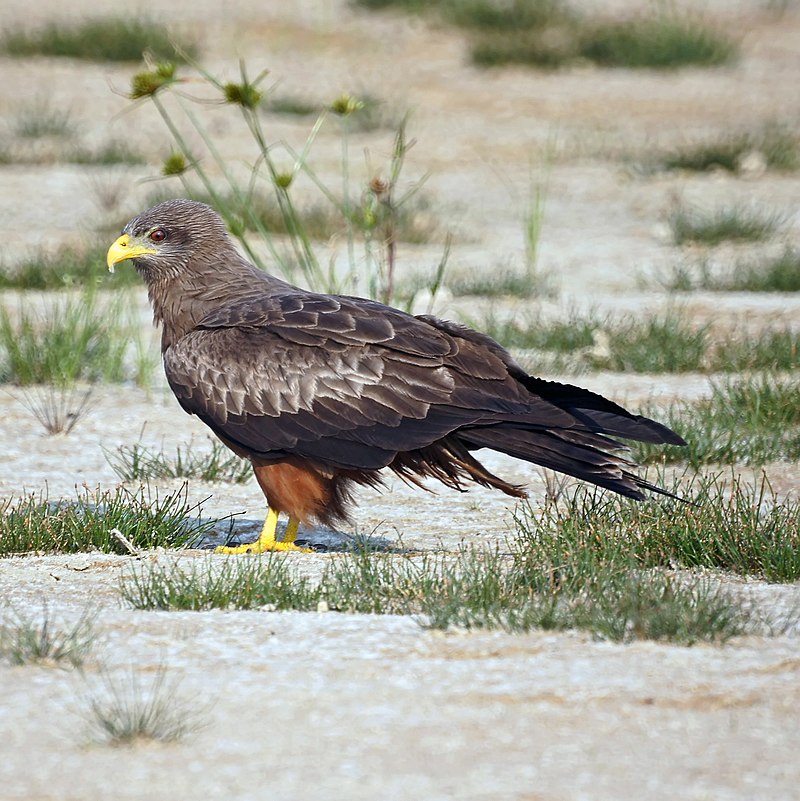
Interesting Facts About Bird Migration
The yellow-billed kite is among the first migratory birds to arrive in southern Africa each year.
Migration isn’t just a southward journey. Some birds, like duck species and the Lesser-striped Swallow, migrate northwards during the South African winter.
Swallows are among the fastest migratory birds, flying over 370 km daily. Most birds average around 240 km per day.
Larger birds fly at higher altitudes – raptors soar at over four kilometres above the earth, while waders fly at around three kilometres.
Birds use the earth’s magnetic field, the sun, and stars to navigate, returning to the same nests year after year with incredible precision.
Migration is a mix of learned and inherited behaviour. Juvenile birds can instinctively undertake long migrations just weeks after hatching.
Some bird species can anticipate rainfall thousands of kilometres away and adjust their migration accordingly.