Legal Obligation to Remove Alien Invasive Plants (AIPs) on Your Property
As you may be aware, the presence of AIPs poses a significant threat to our ecosystems, water resources, and agricultural lands. These plants can outcompete indigenous species, leading to habitat degradation, reduced biodiversity, and increased fire risks. In order to mitigate these negative impacts and protect our environment, the government has enacted legislation requiring the removal of specified AIPs.
The legislation governing the removal of AIPs in South Africa is primarily outlined in the National Environmental Management: Biodiversity Act 10 of 2004 (NEMBA) and its associated regulations, particularly the Alien and Invasive Species Regulations of 2014. Detailed information is available here: https://invasives.org.za/introduction-to-legislation-nemba-and-cara/
According to the law, property owners are responsible for ensuring that any AIPs on their land are removed and controlled. Failure to comply with these regulations may result in penalties and fines. Therefore, it is crucial that all property owners take proactive steps to address this issue. More information on how AIPs affect your property is available here: https://blog.pamgolding.co.za/binned-at-last-invasive-plant-species/
We would like to inform you that the Bazley Residents Association, through our Conservancy team, is here to assist you in this endeavour. We have the expertise and resources necessary to effectively remove AIPs from your property in accordance with the law. Our team is knowledgeable about which plants need to be removed and how to do so safely and efficiently.
If you are unsure about the presence of AIPs on your property, or if you would like assistance with their removal, we encourage you to contact us. We would be happy to conduct a thorough assessment of your property and provide you with a quote for the removal services needed. Please contact Liz Forsdick (0827013402) or Pete Harvey (0722008126) for more information.
By working together to address the issue of AIPs, we can help protect and preserve the natural beauty and biodiversity of Bazley for future generations to enjoy. Thank you for your attention to this matter, and we look forward to hearing from you soon.
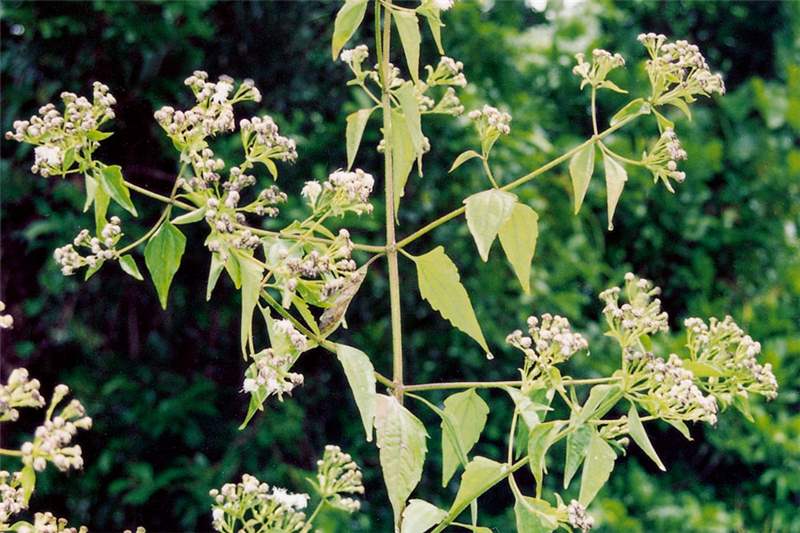
Chromolaena (category 1b): Plants are highly invasive and qualify for government-sponsored invasive species management programs due to their potential to cause significant harm to humans, animals, and the environment. They have no economic value and possess harmful characteristics.
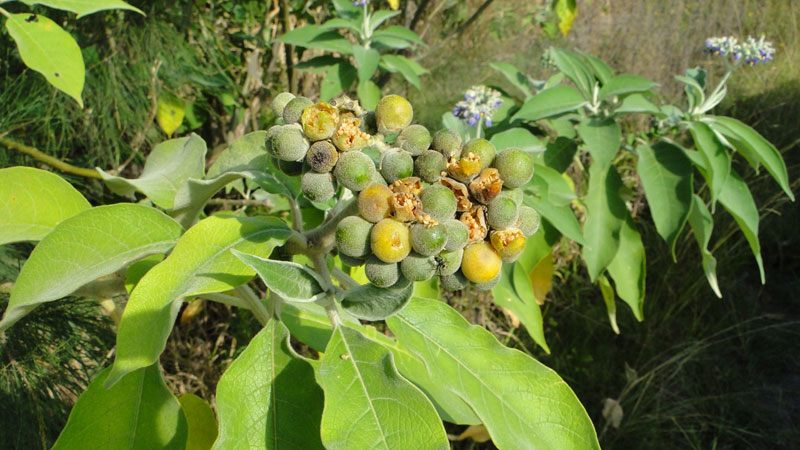
Bugweed (category 1b): Competes with and replaces indigenous species, serving as a host for the KZN fruit fly, an economic pest. It lacks fodder value and its unripe fruits are poisonous. Additionally, the hairy leaves and stems can cause allergic dermatitis and asthma.
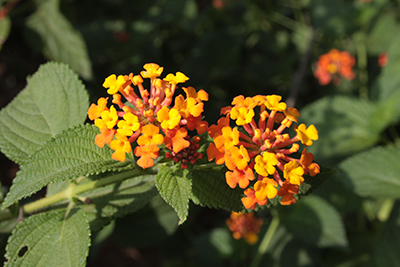
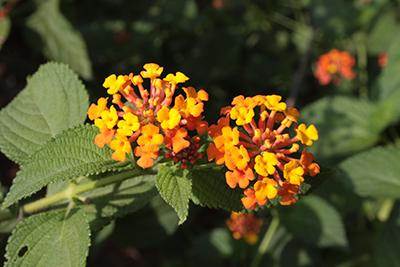
Lantana (category 1b): One of the most notorious weeds globally, it outcompetes indigenous plants, forming impenetrable, thorny thickets that hinder grazing and obstruct watercourses. Lantana is also toxic to both humans and animals.
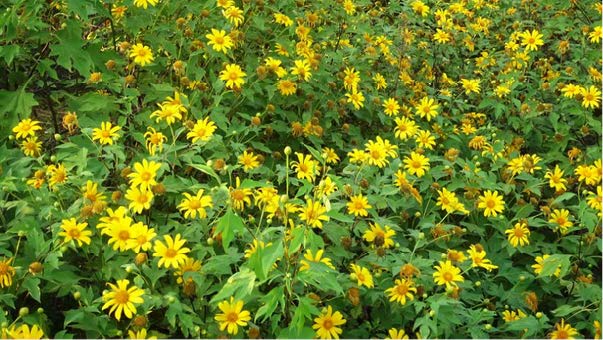
Mexican sunflower (category 1b): This fast-growing and aggressive weed competes against indigenous plants, diminishing biodiversity.