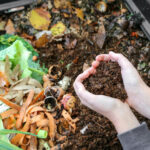
Protecting Our Paradise: Be Pesticide-Wise in Bazley
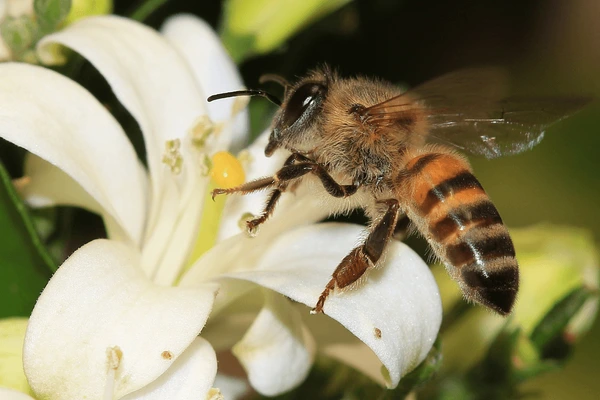
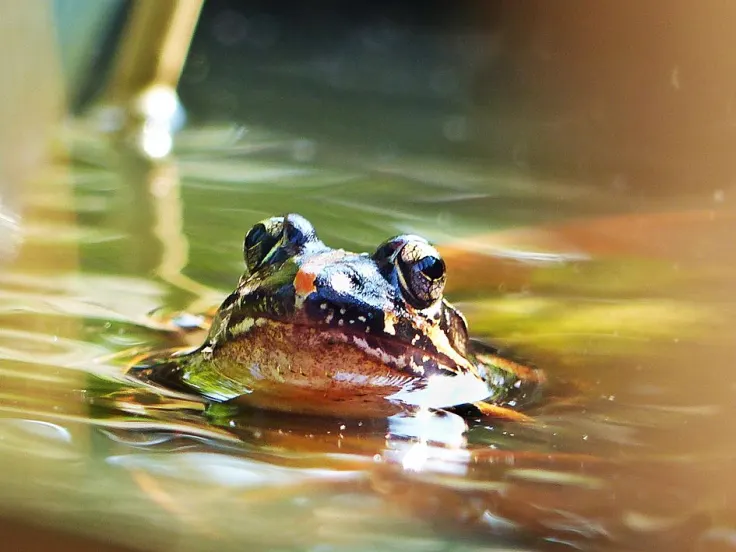
Bazley is more than just a place to live – it’s a living, breathing conservancy, rich in birdlife, bees, butterflies, frogs, and other precious creatures that form the delicate web of life in our coastal paradise. As residents, we have both the privilege and the responsibility of helping to protect this biodiversity. One of the simplest and most important ways to do that is by being mindful of the pesticides we use in our gardens.
While pesticides may seem like a quick fix for garden pests, many commonly used products are harmful to the very creatures that make Bazley so special. At the Conservancy, we are extremely careful with the products we use when clearing alien invasive plants – and we encourage homeowners to adopt the same care in their gardens.
🐝 Why It Matters
Many pesticides contain chemicals that are toxic not only to pests but also to bees, butterflies, birds, frogs, and other beneficial wildlife. Even days after application, these chemicals can linger on plants and in the soil, causing harm to pollinators and aquatic life. Pesticides can also leach into water systems, with devastating long-term effects on the broader ecosystem.
✅ Recommended Products (Use with Care)
These products are considered safer for pollinators and wildlife when used strictly according to label instructions:
- Pyrol (Biogrow) – A natural insecticide and repellent that breaks down quickly and is bee-friendly when applied early in the morning or late afternoon.
- Margaret Roberts Organic Insecticide – Made from natural plant oils, it targets soft-bodied insects while being gentler on beneficial bugs.
- Neem Oil – Derived from the neem tree, this interferes with pest reproduction and feeding. Safe for bees if used when they are not active. You can purchase Neem oil in 250ml bottles from Takealot – a little goes a long way.
- Bioneem (Biogrow) – A biodegradable, neem-based option suitable for eco-sensitive areas.
❌ Please Avoid These Harmful Pesticides
These products are known to be particularly damaging to bees, butterflies, birds, frogs, and aquatic life:
- Rattex and other “eco-friendly” rodent pellets – These poison the mice, which are then eaten by owls and other predators. The result? Secondary poisoning and a sharp decline in owl populations. Let’s protect our owls – good old-fashioned rat traps work far better.
- Roundup / Glyphosate-based herbicides – Effective on weeds, but glyphosate is toxic to frogs, insects, and soil life. It is also classified as a probable carcinogen by the WHO.
- Koinor / Imidacloprid-based products – Highly toxic to bees; even tiny residues can disrupt their navigation and reproduction.
- Ripcord / Cypermethrin-based products – Broad-spectrum pesticides that kill beneficial insects along with pests.
- Sevin (Carbaryl) – Lethal to pollinators and harmful to aquatic life if washed into drains.
- Lawn & Garden “All-in-One” Sprays – Often contain a cocktail of herbicides and insecticides that cause cumulative harm to ecosystems.
🌱 What You Can Do: Natural Solutions That Work
Here are some safer, tried-and-tested alternatives used by residents and conservancy members alike:
- Eggshells – Crushed and sprinkled around vulnerable plants, they’re a natural deterrent to slugs and snails.
- Agricultural lime – Sprinkle around ant holes, plants, and your house to help deter ants.
- Mint, chilli & garlic spray – Boil a handful of mint, one garlic bulb, and a few chillies in a litre of water. Cool, strain, add another litre of water and spray on vegetables and roses. Insects hate it – your plants will love it.
- Vinegar & bicarb spray (for paving only) – Mix vinegar, bicarbonate of soda, a pinch of salt, and water to tackle weeds on paving.
- Neem oil mix – Combine neem oil, water, and a few drops of dishwashing liquid to create a powerful spray for scale, mealybugs, aphids, mildew, rust, and black spot. Derived from the neem tree, this interferes with pest reproduction and feeding.
- White spots on aloes? – Simply dab on vinegar with a brush to clear it up.
- Banana peel fertiliser – Soak banana peels in a bucket of water and use the diluted liquid weekly for a natural plant booster.
- Mole deterrent – Add a few drops of eucalyptus or lavender oil to used tea bags and place them in mole tunnels. They’ll move on.
🧠 A Few More Tips
- Always read product labels carefully and follow instructions.
- Avoid spraying in the heat of the day when bees and butterflies are most active.
- Never apply pesticides near water sources or stormwater drains.
- Wherever possible, choose organic gardening methods and companion planting.
Together, We Can Keep Bazley Buzzing
By making informed, wildlife-friendly choices in our gardens, we can all help ensure Bazley remains a haven for the birds, bees, butterflies, frogs – and future generations of nature lovers.
If you have any questions or would like help identifying alien invasive plants on your property, please reach out to the Bazley Conservancy team – we’re always here to help.