Seabirds of Bazley: The Unsung Heroes of the Sardine Run
While dolphins, sharks, and game fish may grab the headlines during the Sardine Run, the skies above Bazley are just as thrilling. Each winter, a spectacular cast of seabirds descends on our coastline to join the feast – wheeling, diving, and calling in a wild display of nature at its most raw and beautiful.
From the dramatic plunge-diving of Cape Gannets to the agile flight of Swift Terns, these birds add a whole new dimension to the Sardine Run experience. Whether you’re a seasoned birder or simply enjoy watching the action from your deck, keep an eye out for these fascinating feathered visitors.
Next time you walk the beach or watch the horizon, take a moment to appreciate these aerial acrobats – the often-overlooked stars of our winter seas.
📥 Click here to download the Bazley birdlist.
Look to the skies this winter! These are just some of the seabirds you’re likely to spot off Bazley as they join the sardine spectacle.
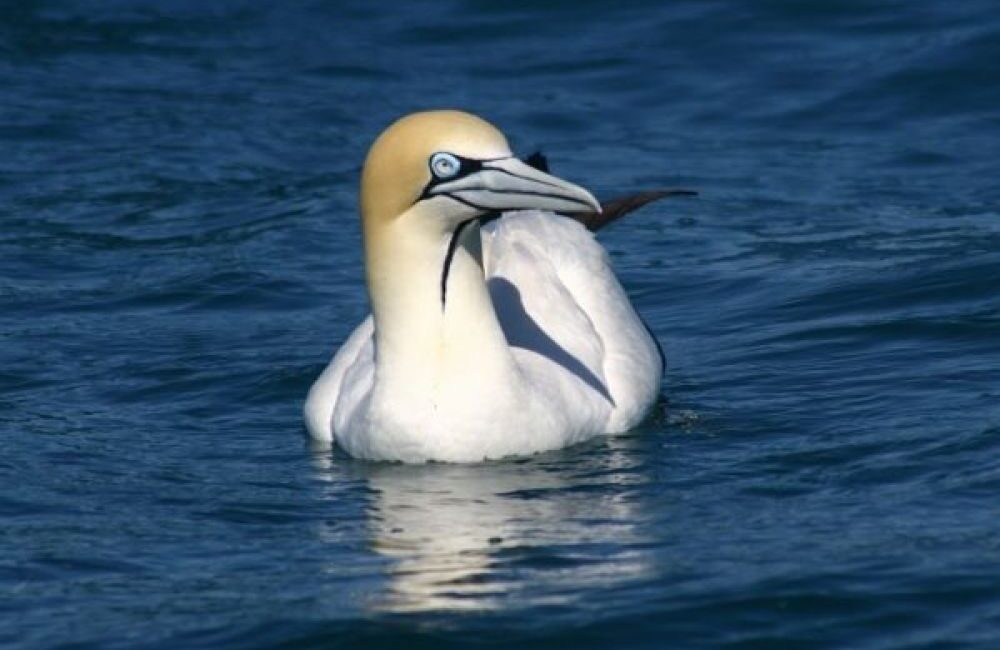
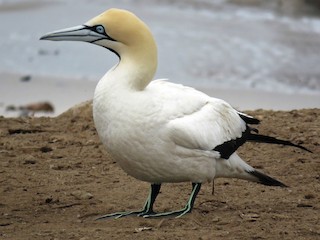
Large white seabird with black wing tips and a yellowish head. Famous for dramatic plunge-diving into sardine shoals.
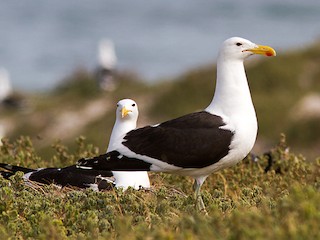
Large black-and-white gull with a yellow bill and red spot. Commonly seen scavenging fish on the water’s surface.
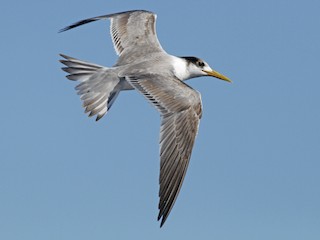
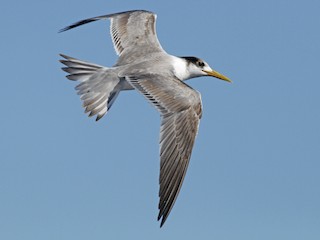
Swift Tern / Greater Crested Tern (Thalasseus bergii)
Grey-and-white tern with a black cap and long yellow bill. Agile hoverer and diver, abundant during the sardine run.
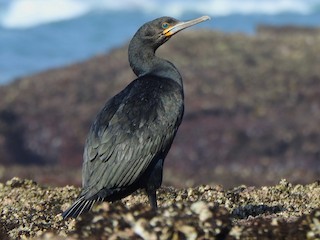
Cape Cormorant (Phalacrocorax capensis)
Blackish seabird with a long neck and hooked bill. Flies in long lines and dives underwater to catch fish.
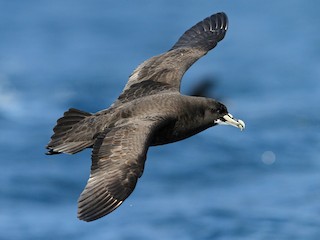
White-chinned Petrel (Procellaria aequinoctialis)
Dark seabird with a small white chin patch. Seen gliding offshore, often around sardine shoals.
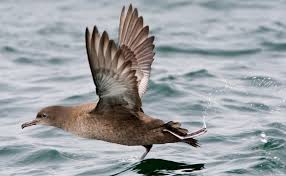
Sooty Shearwater (Ardenna grisea)
Sooty-brown seabird with long wings. Swoops low over the ocean, migrates long distances to feed on sardines.
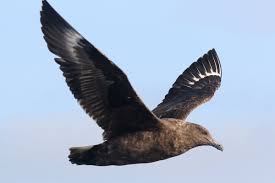
Subantarctic Skua (Stercorarius antarcticus)
Stocky dark brown bird with white wing flashes. Notorious for stealing fish from other birds.
Sleek grey and white tern with a red bill and feet. Less common in winter but may appear in mixed flocks.