
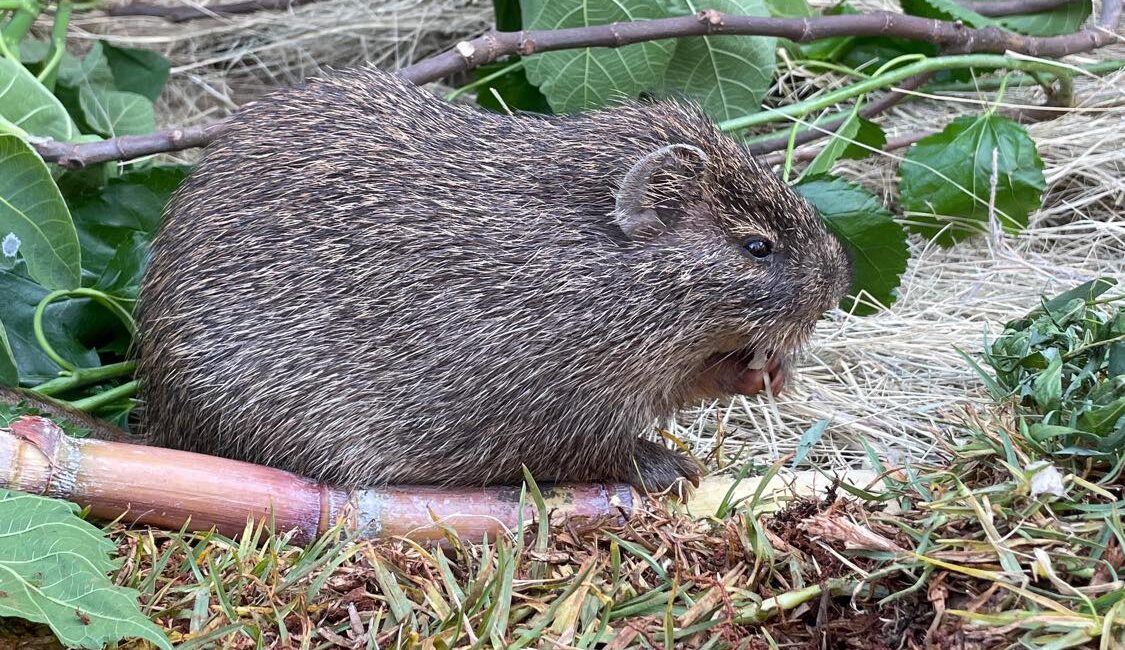
The Cane Rat: Big, shy and often misunderstood
Despite its name, the cane rat is not related to the common rat at all. This often-misunderstood animal is in fact one of Africa’s largest rodents and a natural part of South Africa’s eastern ecosystems.
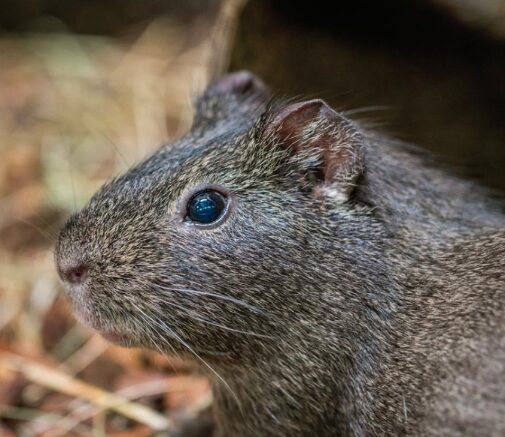
The greater cane rat is the second-largest rodent species, weighing up to 4.5 kg, with a solid build and powerful teeth adapted for feeding on tough grasses and reeds.
Where they live
Cane rats are entirely water-dependent and are usually found in the northern and eastern regions of South Africa, including KwaZulu-Natal. They favour areas close to rivers, streams, wetlands and dense grass, which explains why they occasionally turn up near coastal villages like Bazley.
They are excellent swimmers and will often escape danger by heading straight for water.
When you’re likely to see one
Cane rats are predominantly nocturnal and crepuscular, meaning they are most active at dawn and dusk. This is why sightings are usually brief and often take people by surprise.
Social life and breeding
Although cane rats are normally solitary, they are polygamous. During the breeding season, a single male may mate with several females, and temporary family groups of up to 10 individuals can occur.
Predators and the food chain
Here in Bazley, one of the cane rat’s main natural predators is the crowned eagle, highlighting the species’ important role in supporting local wildlife and maintaining a healthy ecosystem.
Busting the myth
There is a long-standing myth that cane rats are aggressive and have attacked farmers. In reality, cane rats are passive, shy animals that prefer to flee rather than confront danger. They have even been kept as pets in some parts of Africa.
Like many wild animals, they will defend themselves if cornered — but aggression is the exception, not the rule.
Living alongside wildlife
As natural habitats shrink or are disturbed, cane rats may wander closer to residential areas in search of food and cover. If you encounter one:
- Keep your distance
- Do not attempt to chase or corner it
- Allow it a clear escape route back to natural vegetation
Protecting rivers, wetlands and indigenous grasslands helps ensure cane rats — and the predators that depend on them — remain part of Bazley’s natural heritage.